


Athletes and Knee Pain


As a Strength and Speed coach, I work with a variety of athletes in different sports. Lately, I’ve been working with more soccer players, and have noticed the number of knee injuries they experience.
It alarms me when my soccer players let me know how a teammate went down with a knee injury during the weekend game(s). As a coach, I want to be able to lower the chances of my athletes experiencing season-ending injuries. I understand there is no way to prevent knee injuries, but we can do our best to lower the chances.
Soccer players take A LOT of physical beating with less recovery time. Tournaments, practices, and maybe additional training will limit the athlete’s ability to recover. Especially if the body is not properly prepped for competition. Coaches and parents have to understand that these athletes make cuts, unpredictable stops, explosive bursts, and physical abuse throughout the game. Ligaments, tendance, and joints take a lot of the abuse.
Here are a few common athletic knee injuries that occur:
Bruising
Sprains involving your ligaments
Strains involving your muscles and tendons
Tendonitis caused by overuse
Bursitis, inflammation of the bursa sac that is located between your tendon and your skin or possibly your tendon and your bone.
Torn ACL/MCL

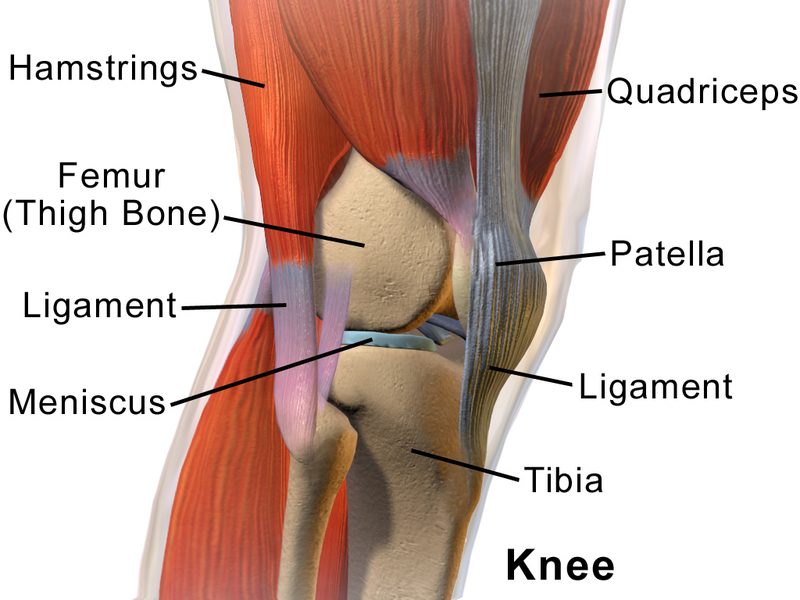
As you can see, there’s not much to the knee, but below you will see the muscles that surround, support, and protect the knee.
Strength Training to Prevent Injuries
Strength Training isn’t just for football players. A lot of coaches believe that strength training is lifting as heavy as possible which can cause the athlete to become stiff and slow. In reality, with the right program, it can be the complete opposite. Adding strength training can strengthen the muscles around the knee. Let's look at a few ways to train:
Stability Exercises:
Stability exercises aren’t just great to look cool, they have a purpose. The leg has to activate muscles that stabilize the knee and other joints to prevent any unwanted movements. For instance, standing on one leg. The muscles surrounding the knee contract and stay contracted to prevent the athlete from falling over. As the athlete improves their balance, they can progress to more advanced types of exercises.
Resistance Training:
Lower body strengthening exercises may offload unwanted stressors on the knee joint by improving shock absorption through enhanced muscle strength.
Bilateral Exercise:
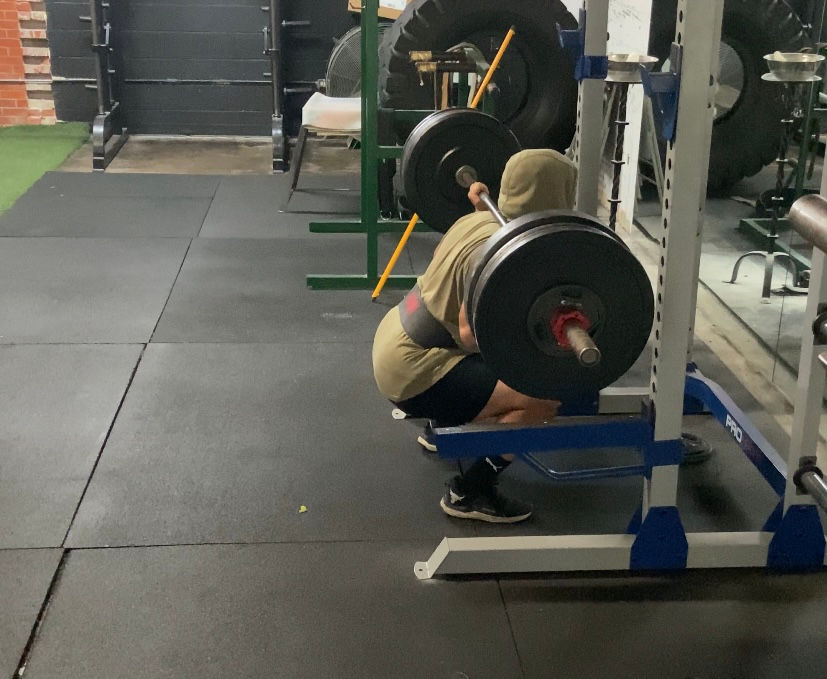
A bilateral exercise movement is when both limbs are used in unison to contract the muscles, which creates force and subsequently moves a given load. Squats, Romanian deadlifts, and hip thrusts are great exercises to strengthen the quads and hamstrings. These are two big muscles that surround and support the knee.
Unilateral Training:
This is when we actively train one side of the body at a time. Single-leg box squats, step-ups, single-leg hip thrusts, and split squats are great ways to strengthen the individual leg while preventing any imbalance with the legs.
Core Training:
Strengthening abdominal muscles will stabilize the upper body when the player has to make a quick stop or change directions. Without a strong core, the athlete's weight can shift causing the body to be unbalanced. This can cause torque in the knee joint and can lead to injuries. Exercises like planks, side planks, reverse crunches, and others are great ways to build a stronger core.
Flexibility Training:
Regular lower-body stretching can take unwanted stressors off the knee joint, reducing pain. Stretching the quadriceps, hamstrings, hips, and calf muscles develop an increased range of motion and reduce the risk of pain and injury.
Although we can't prevent knee injuries from happening, we can try to reduce the chances of them happening.
Comments